Tesla's Q3 Report: A Margin Recovery Masking a Steep Profit Decline
While automotive profitability improved, heavy spending on AI and robotaxi development drove Tesla's net income down significantly in the third quarter.
By Chinedu Okafor ·
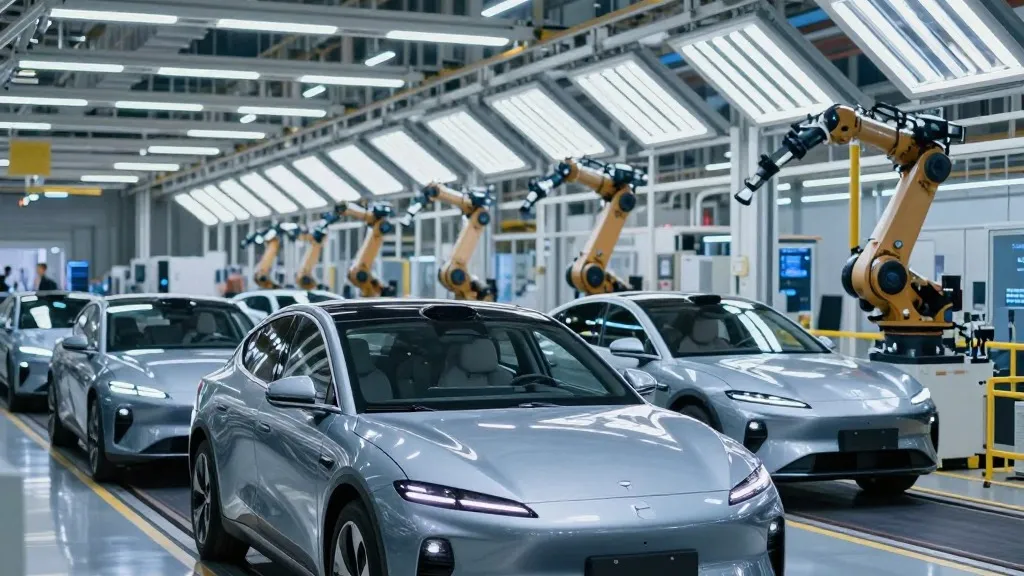
Tesla’s latest financial report reveals a company in a complex state of transition, where improved manufacturing efficiency is being overshadowed by aggressive future-facing investments.
The core narrative of the third-quarter results is a divergence between gross profitability and bottom-line earnings. While the company managed to lift its overall gross margin to 19.6%, a significant increase from 18.0% in the same period last year, its operating income dropped sharply by 56% year-over-year to $718 million. This decline indicates that while Tesla is making more money on each car sold, it is spending that profit at an accelerated rate to fund new technologies.
The primary driver of this spending surge is research and development, which jumped 69% to $2.76 billion. The company is currently pouring resources into what it terms "Super Intelligence," the Optimus humanoid robot, and the Cybercab. Additionally, operating expenses rose 39% year-over-year, heavily influenced by stock-based compensation that reached $1.17 billion, partly due to the 2025 CEO pay package. Total capital spending hit $4.73 billion, more than double the amount spent in the same quarter a year ago, as Tesla races to meet its infrastructure goals.
On the revenue side, the company posted $28.05 billion, which was essentially flat compared to the previous year and in line with Wall Street expectations. However, the automotive gross margin excluding regulatory credits recovered to 18.1%, up from 16.3% in the second quarter. This improvement is attributed to a better regional and product mix, along with increased revenue from Full Self-Driving (FSD) subscriptions, which partially offset continuing declines in average selling prices.
A notable caveat in the data is the energy sector, which saw revenue fall 16% to $2.88 billion despite a 10% increase in energy storage deployments. The company cited tariff-related customer refunds as a key factor in this revenue dip. Conversely, the services segment was a standout performer, with revenue growing 33% to $4.61 billion and gross profit hitting a record $734 million, driven by charging, insurance, and parts sales.
Tesla has also shifted its explanation for flat vehicle sales, citing battery availability as the limiting factor rather than a lack of consumer demand. The company reported the largest backlog for passenger vehicles in four years, suggesting that production constraints are currently the bottleneck. Meanwhile, active FSD subscriptions rose 67% to 1.74 million, and the Robotaxi service accumulated nearly 2 million unsupervised miles by the end of the quarter.
Looking ahead, there are open questions regarding the company's capital expenditure targets. With $13.01 billion spent in the first nine months of 2026, Tesla is only halfway to its guided "more than $25 billion" annual target. To meet this figure, the company would need to spend roughly $12 billion in the fourth quarter alone, a pace that would be more than double its highest spending quarter to date. This discrepancy suggests that either Q4 spending will surge dramatically, or the 2026 investment plan may be extending into next year.
Ultimately, while the recovery in automotive margins is a positive signal for operational health, the steep drop in net income to $787 million highlights the heavy cost of Tesla’s pivot toward autonomy and robotics. Investors are left to weigh the benefits of higher per-car profitability against the massive cash outflow required to build the company's next generation of products.
Source: Electrek