SpaceX Declines Military Work; Spanish Rocket Nears Final Integration
SpaceX turns down three U.S. military launch contracts while PLD Space prepares its Miura 5 for a 2027 debut.
By Zanele Khumalo ·
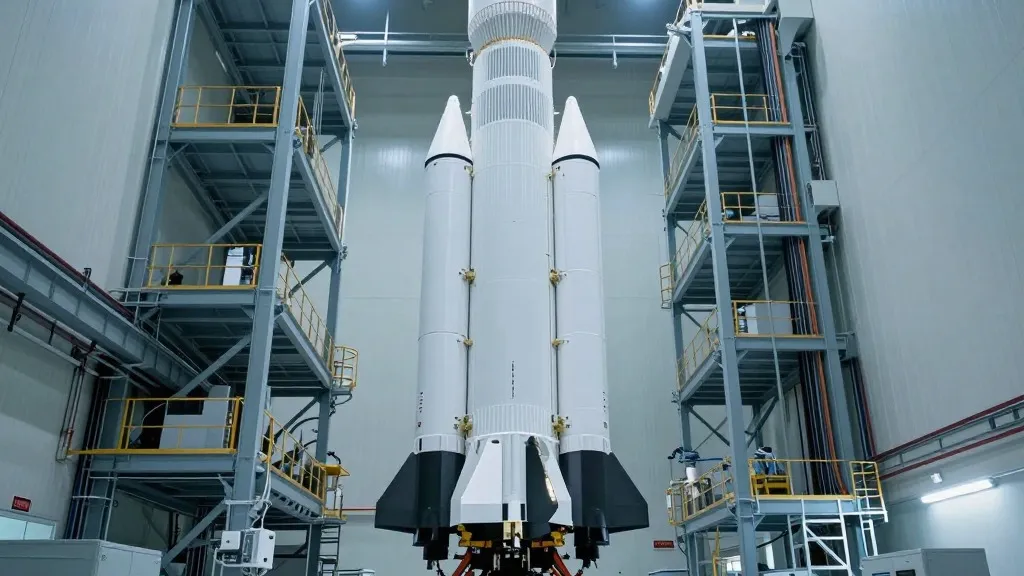
The commercial space sector is seeing significant shifts in capital allocation and contract structures this week. For investors tracking the sector's growth, the primary development is the U.S. Space Force's offer of three launch contracts to SpaceX, which the company has declined. This decision, announced this week, signals a strategic pivot for the industry's dominant player, potentially reshaping the competitive landscape for military payloads. Meanwhile, on the international front, Spanish manufacturer PLD Space has confirmed that its Miura 5 rocket is nearing final integration, placing it on track for a commercial debut.
SpaceX informed the Space Force that it would not proceed with the proposed agreements, a move that occurred amidst other significant operational updates. In a separate development affecting civil space logistics, a NASA safety panel indicated that Starship may require up to 22 in-orbit refueling operations to successfully support a lunar landing. This technical requirement has implications for the timeline and cost structure of the lunar program, as it necessitates a substantial increase in the number of launches and propellant transfers required before a crewed mission can be executed.
The decision to forgo the military contracts represents a notable departure for SpaceX, which has long been a primary partner for defense agencies. By passing on the three specific opportunities, the company may be prioritizing other aspects of its development roadmap or restructuring its relationship with government clients. For the broader market, this could create an opening for competitors to secure military launch services that were previously assumed to be SpaceX-dominated, potentially altering the revenue streams for other active launch providers.
In Europe, PLD Space is advancing its small-lift vehicle, the Miura 5, with a targeted first flight before mid-2027. The company has stated that the rocket is approaching final integration, a critical phase before testing and launch. CEO Raúl Torres noted in a recent program update that the manufacture of three Miura 5 units has allowed engineering teams to apply lessons learned from qualification campaigns directly to the launch vehicle. This iterative approach is designed to mitigate risk and streamline the production process for the inaugural flight.
The Miura 5 program involves three distinct rockets, with the other two serving to qualify key system elements. Currently, one second stage is fully integrated and undergoing system-level testing at PLD’s facility in Teruel. This testing campaign includes a wet dress rehearsal and a static hot-fire test to validate performance under representative operating conditions. These steps are essential for certifying the vehicle's readiness for its first orbital attempt, which will mark a significant milestone for the European small-launch market.
In Canada, launch startup Reaction Dynamics is seeking to raise $350 million to expand its workforce from 68 to more than 350 employees. The capital raise aims to support the development of its Aurora small-lift rocket, which is targeted for orbit in 2028. Additionally, the company has announced plans for a medium-lift rocket named Borealis, with a debut scheduled for 2031. This funding round underscores the continued investor interest in new entrants to the launch market as they seek to diversify the current provider base.
These developments collectively illustrate the current state of the launch industry, characterized by strategic decisions by market leaders and aggressive expansion by new entrants. The interplay between military and civil space demands, alongside the rapid maturation of new rocket designs in Europe and North America, suggests a period of intense competition and innovation in the coming years.
Source: Ars Technica