Cybercab Access: Tesla Sets Year-End Delivery Window
Tesla plans to distribute its autonomous two-seater vehicles to customers before the close of 2026, prioritizing its internal ride-hailing network first.
By Mariana Delgado ·
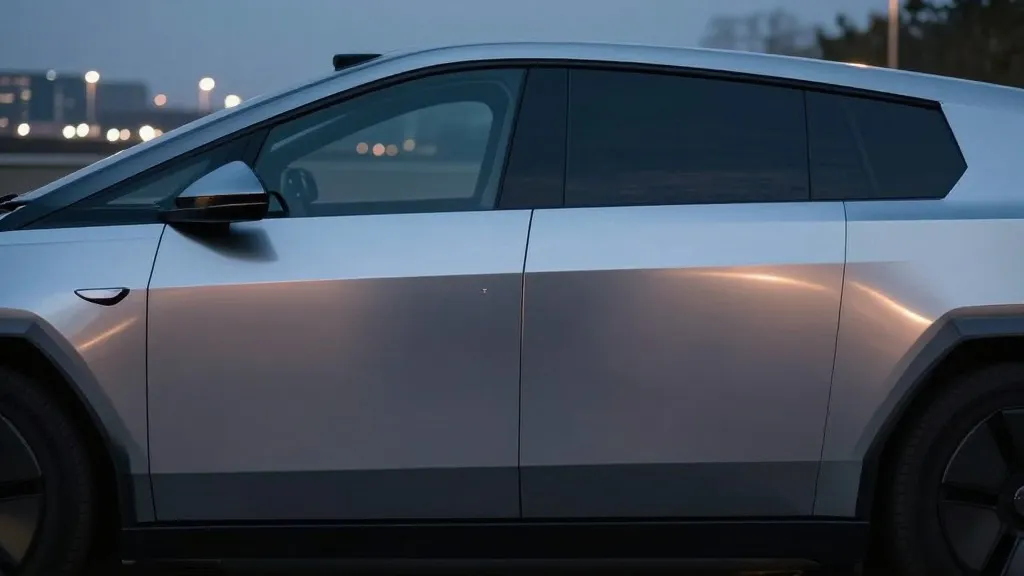
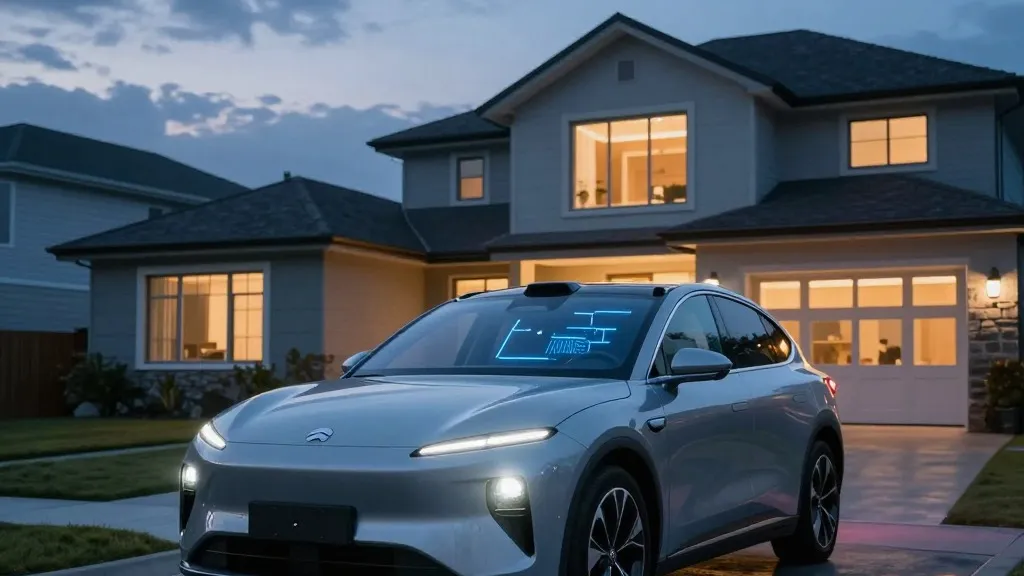
Tesla has established a timeline for delivering Cybercab units to the public, targeting the end of 2026 for initial handovers. The disclosure occurred during the company's third-quarter earnings call on October 21, where Vice President of Engineering Lars Moravy outlined the schedule. He stated that production is underway on the line at Gigafactory Texas, but "all of those are currently going to our own internal Robotaxi fleet." This directive resolves questions regarding when the manufacturer intends to release the vehicle to external buyers.
The vehicle in question is a purpose-built, two-seater autonomous transport that lacks a steering wheel and pedals, relying entirely on Tesla's Full Self-Driving software. While the assembly line has been producing the unit since February, the cars were deployed into Tesla's own Robotaxi service to begin offering public rides in early September. The company has previously indicated a target price point of roughly $30,000 for the Cybercab.
Despite the announced availability for the end of the year, Moravy indicated that initial distributions will begin on a limited scale. He explained that Tesla intends to "mainly deliver fully designed autonomous vehicles to our customers," with the Cybercab serving as the first example of such a machine. The company intends to use these early transfers to gain operational experience regarding delivery logistics, ownership structures, and managing fleets that are not directly under Tesla's control.
CEO Elon Musk elaborated on the strategic role of the vehicle, distinguishing it from personal cars like the Model 3, Model Y, or the upcoming Roadster. He described the Cybercab primarily as a "transport-as-a-service" offering. "The vast majority of the Cybercab stuff will be Tesla-owned and transport-as-a-service," Musk stated, suggesting that private ownership will not be the primary distribution model for this specific hardware.
Regulatory frameworks remain a factor in the timeline for autonomous operation. Ashok Elluswamy, Tesla's Head of AI, noted that unsupervised Full Self-Driving capabilities are expected to be available for consumer vehicles in the second quarter of 2027. Consequently, early recipients or fleet operators may receive units whose ability to drive without a human is currently restricted to specific geographic locations due to lagging approvals from regulators.
The path to delivering these vehicles to the public involves navigating remaining operational hurdles. Tesla must balance the immediate demands of its own robotaxi network against the obligation to fulfill orders for private buyers or third-party operators. The company is aiming to meet the year-end target while simultaneously scaling operations to accommodate external requests.
Source: Teslarati