Google Faces Halt to Finland Data Center Expansion After 1,300-Acre Forest Loss
Regulators have ordered the tech giant to stop construction near Muhos and Otanmäki, citing unauthorized clearing that has displaced local wildlife.
By Amy Swan ·
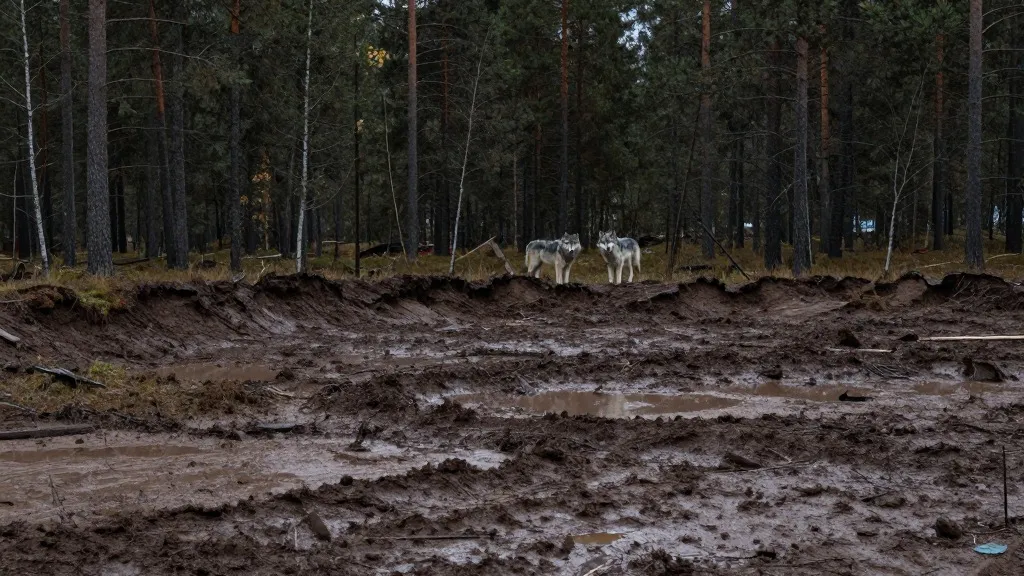
1,300 acres. That is the approximate total area of forest cleared by Google in eastern Finland for its new artificial intelligence data centers, a figure that has drawn sharp criticism from local regulators and residents. The American tech giant’s Finland country manager has issued an apology for unauthorized clearings near the village of Muhos, where 816 acres of woodland have been stripped away, leaving behind what locals describe as an expanse of mud. In a separate but related action, authorities have ordered the company to cease work on a site roughly 500 acres in size, located 55 miles southeast of the village of Otanmäki.
The disruption to the local ecosystem has immediate, tangible consequences for nearby communities. According to recent reports, wolf packs and other wild animals that previously inhabited the dense forests have been forced to roam into neighboring villages. This shift has raised serious safety concerns for residents who are accustomed to the animals staying in the woods. Anni Ranta, 53, a resident of Otanmäki whose family has lived there for generations, noted that the displacement of wildlife is directly linked to the construction activities. “We had wolves coming into the village because all the wild animals moved out of the forest,” Ranta explained.
Beyond the wildlife displacement, local sentiment toward the project remains tense. Ranta also expressed a broader strategic concern, fearing that the presence of U.S.-owned data centers in the region could make Finland a more attractive target for Russian aggression. This anxiety sits atop a backdrop of ongoing complaints from residents regarding the construction process. Locals have reported increased factory and construction noise, streams turning brown with sediment, and the displacement of rare bird species, all of which have fueled resentment toward the developer.
The Finnish Association for Nature Conservation (SLL) has described Google’s handling of environmental policy as “unprecedented and clear” in its flouting of regulations. The Finnish Licensing and Supervision Authority (LVV) has taken a firm stance, issuing a formal order for Google to stop development activities in both the Muhos and Otanmäki areas. This regulatory intervention follows an earlier notice provided by the Finnish government earlier this month, which specifically cited construction activities in Muhos and Kajaani, a location near Otanmäki.
Despite the regulatory pressure, Google’s spokesperson maintained a cooperative tone. “We will fully comply with LVV’s requests in this matter,” the spokesperson stated. “We look forward to maintaining an active, open dialogue with all authorities to strengthen our partnership with Finland and local organizations.” The company appears to be betting that the long-term business benefits of the data centers will help sway regulators and the government, even as the immediate environmental and social costs continue to mount.
This incident adds to a growing list of global locations where AI data center developers have faced backlash over environmental impacts. Similar concerns regarding noise, water quality, and habitat loss have been voiced in the United States and other countries, suggesting a recurring pattern in the rapid expansion of AI infrastructure. For now, the focus remains on whether Google will halt work as ordered and how the muddy landscape will be remediated.
The situation highlights the friction between the rapid deployment of high-demand AI hardware and the environmental sensitivities of host communities. With construction halted in two key areas, the next steps will depend on the outcome of the dialogue between Google, the LVV, and local stakeholders, all while the displaced wildlife continues to navigate the changed terrain.
Source: Tom's Hardware