Federal Agency Proposes Blue-Green Lights to Identify Self-Driving Cars
New regulatory guidelines would standardize a distinctive cyan glow for autonomous vehicles while removing outdated requirements for manual driving controls.
By Ahmed Mansour ·
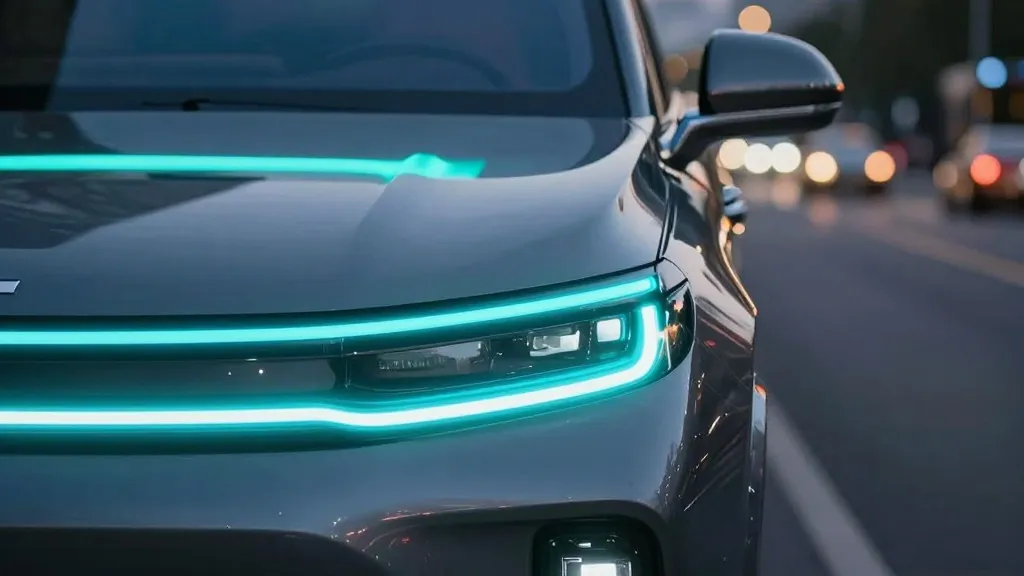
Federal regulators have identified a specific color to help drivers and law enforcement identify when a car is operating without a human behind the wheel.
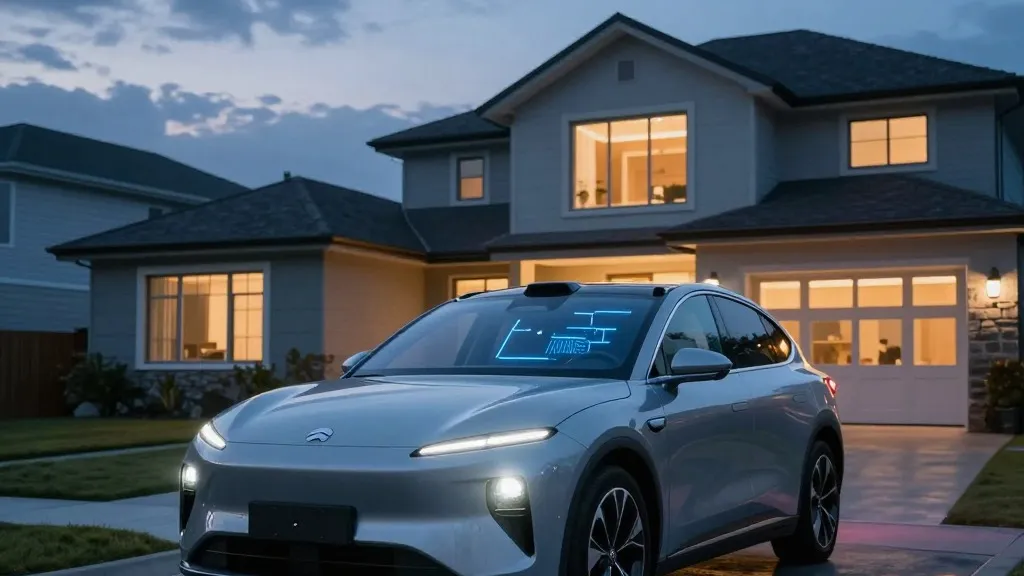
The National Highway Traffic Safety Administration (NHTSA) has released proposed revisions to Federal Motor Vehicle Safety Standard No. 108. The core of this update involves adopting cyan-colored marker lamps for autonomous vehicles. This distinct blue-green hue is intended to provide a clear, consistent visual signal to road users that an automated driving system is in control. The agency argues that this color fills a visual gap in the current lighting spectrum, which is already occupied by red, amber, white, and flashing blue or red lights used for brakes, turn signals, headlights, and emergency vehicles.
The move follows a long period of industry debate regarding how driverless cars should communicate their status. Previous concepts included flashing text, audio alerts, and various custom lighting schemes. By establishing a single national standard, NHTSA aims to create uniformity for major operators like Waymo, Nuro, and Zoox, as well as automakers such as GM and Mercedes-Benz. There is already some precedent for this approach, as Mercedes-Benz previously received state-level approval for turquoise lights on its Level 3 Drive Pilot vehicles, although the company has since shifted its strategy toward a Level 2++ system.
Under the proposed rule, the installation of these cyan marker lights would remain optional for manufacturers. However, if a company chooses to include them, the federal standards would dictate their specific color, brightness, and location. This ensures that any automaker adding the feature uses a legally consistent setup rather than creating a confusing mix of different colors and signals across the fleet. The goal is to streamline the process so that when a driverless car appears on the road, its status is immediately recognizable regardless of the brand.
In addition to standardizing the new lights, the agency is proposing to remove several existing requirements that are impractical for vehicles without human drivers. Current rules mandate the presence of physical hazard switches, manual beam shifters, and turn levers inside the cabin. NHTSA suggests eliminating these mandates to allow for cleaner, more automated interior designs. The proposal also updates the 12.8-volt testing standard, enabling automakers to utilize modern LED architectures without navigating complex administrative hurdles. Furthermore, the agency is considering removing rules that dictate the vertical positioning of high-beam lights relative to low-beam lights.
This regulatory update is part of a broader effort by the Department of Transportation to accelerate the deployment of autonomous vehicles. The administration seeks to make it easier for manufacturers to build cars that may eventually lack traditional controls like steering wheels and pedals. By simplifying the safety standards, the government hopes to reduce barriers to entry for new vehicle designs that are optimized for self-driving capabilities.
Despite these streamlined proposals, regulators continue to enforce current rules strictly where applicable. Last month, NHTSA launched an audit query into the Tesla Cybercab. The investigation aims to examine the technical data and processes Tesla relied upon when certifying the vehicle. A primary point of contention is the absence of certain design features, including sideview mirrors, pedals, and a steering wheel, which are currently required under existing Federal Motor Vehicle Safety Standards.
The proposal is now open for public comment before becoming a final rule. Once finalized, it will provide a clear legal framework for how autonomous vehicles signal their operational status to the public. For readers in the Great Lakes and Ohio Valley, this means a move toward a standardized visual language for the growing number of driverless taxis and shuttles expected to share the roads in the coming years.
Source: The Verge