Trump Demands AI Data Centers Share Energy Dividends With Local Towns
The President has called for mandatory financial contributions to offset rising utility bills and noise pollution caused by new artificial intelligence facilities.
By Andrew Fletcher ·
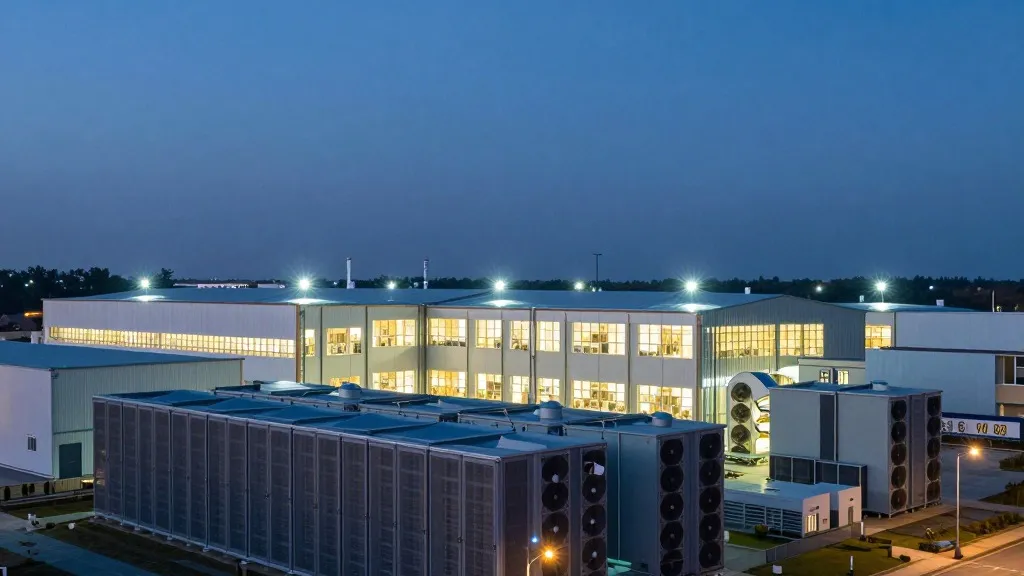
The White House has intensified its pressure on the artificial intelligence sector by demanding that hyperscalers and data center developers provide direct financial benefits to the communities that host their infrastructure.
President Donald Trump outlined this new mandate in a recent post on Truth Social, where he argued that these facilities should not only generate their own power but also return excess energy or money to local residents. The core of this proposal is an energy dividend designed to counteract the significant spikes in electricity prices that often follow the construction of large-scale compute centers.
Local populations across the United States have increasingly pushed back against the rapid expansion of data centers due to their heavy footprint. Residents frequently cite rising utility costs, persistent noise pollution, air quality issues, and water shortages as primary grievances. By requiring companies to share in their energy generation or provide cash payments, the administration aims to make these industrial projects more acceptable to the people living nearby.
The move fits into a broader federal strategy to maintain a competitive edge over China in the global AI race. The administration recognizes that securing community support is a prerequisite for building the vast infrastructure required for advanced models. A recently passed act already requires data centers to cover the costs of necessary grid upgrades, ensuring that local taxpayers do not bear that burden. This new dividend requirement is an extension of that logic, directly addressing the household bills that surge when massive cooling and computing loads strain local grids.
Trump emphasized the practical benefits of such arrangements, noting that data centers which were once unpopular in specific areas have become well received once a financial deal was reached. In his post, he urged industry leaders to make these deals happen quickly to accelerate construction timelines. The President closed his message with a directive to stakeholders: "MAKE DEALS, and get them built!!!"
The proposed dividend could take various forms, potentially including partial reimbursements for electricity bills or the sale of surplus power generated by on-site facilities. This approach seeks to turn a perceived burden into a shared economic opportunity. By lowering the cost of energy for neighbors, the administration hopes to reduce the friction that often delays permitting and construction.
However, analysts and community members remain cautious about whether financial incentives alone will resolve the underlying conflicts. While money can offset utility bills, it does not automatically solve issues related to massive water consumption, ecological impact, or the noise from gas-powered generators that are often used for short-term power needs. The economic aspect is only one component of a complex problem.
The success of this mandate will depend on how strictly it is enforced and how the dividends are calculated. If companies view these payments as a necessary cost of doing business, the model could stabilize community relations. If they are seen as voluntary gestures, the tension between tech expansion and local quality of life may persist. For now, the administration is betting that a financial handshake is the key to unlocking the next phase of American AI dominance.
Source: Tom's Hardware