The $8 Million Signal: Why Pentagon Bets Are Now a Security Threat
Defense leadership has issued a strict directive prohibiting military staff from wagering on prediction markets to prevent foreign adversaries from decoding operational timelines through financial data.
By Ji-eun Choi ·
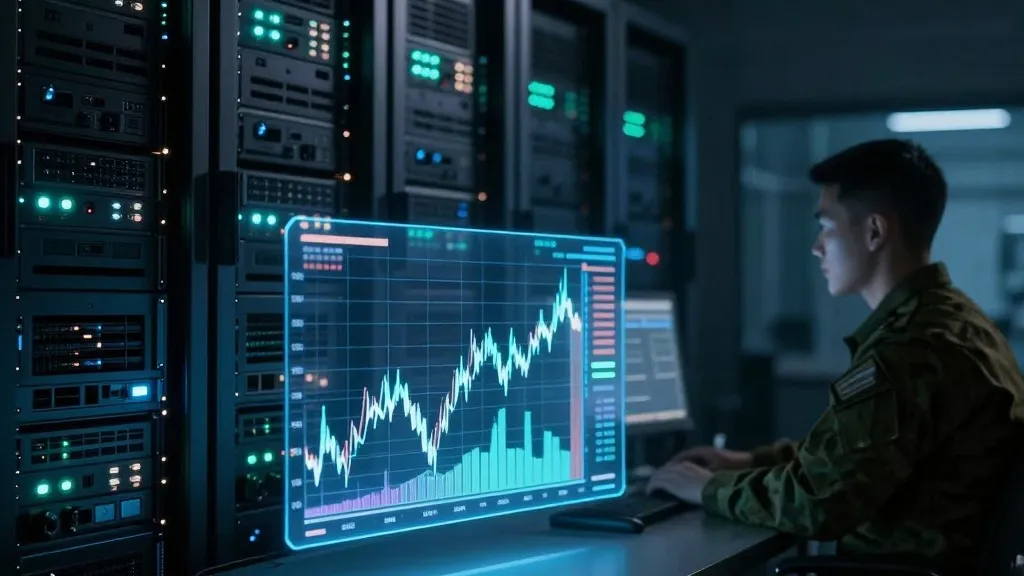
There is a growing disconnect between how the modern military operates and how its personnel manage personal finances, a gap that Defense Secretary Pete Hegseth has now identified as a critical vulnerability. The core tension lies in the fact that while soldiers are trained to keep their movements secret, their betting habits on digital platforms may be broadcasting those same secrets to hostile intelligence services. This is not just a matter of workplace discipline; it is an emerging cybersecurity concern where personal financial transactions serve as unwitting data points for enemy analysts.
The first key point of the new directive is the sheer volume of suspicious activity that has already been detected. An August report from the Anti-Corruption Data Collective identified 152 unique digital wallets that placed long-shot bets on military and defense outcomes. These accounts collectively won approximately $8 million, suggesting a coordinated or highly informed effort to profit from inside knowledge rather than mere chance. This data highlights that prediction markets are no longer just recreational spaces for the public but have become arenas where significant sums change hands based on non-public military information.
The second key point involves a specific, high-profile case that likely accelerated the department’s response. In April of this year, a U.S. Army soldier was arrested and charged with leveraging confidential information to place bets on Polymarket. The individual wagered on the precise timing of the military’s capture of Venezuelan President Nicolás Maduro, resulting in $410,000 in profits. This incident demonstrated that the theoretical risk of insider trading in defense outcomes was already a practical reality, with one service member successfully monetizing operational timelines before the official announcement.
The third key point addresses the scope of the new prohibition, which is broader than most observers might expect. Hegseth’s memo, titled “Do Not Compromise Military Operations for Personal Financial Gain,” applies to all financial platforms, not just specialized prediction markets like Polymarket or Kalshi. It explicitly bans any financial transaction made using non-public information, regardless of whether that information was classified or simply unclassified. This means that even low-level operational details known only to a small group of staff can now trigger a violation if they influence a bet.
The context for this warning is rooted in how foreign adversaries now utilize big data. Hegseth explained that enemies are actively monitoring movements in these markets. When a service member, intelligence professional, or civilian places a bet on a military outcome, it creates a signal. Hostile intelligence services can aggregate and correlate these signals to anticipate U.S. movements, targets, and timing. The memo argues that the lives of troops depend on the enemy not knowing what is coming, and that a force which exposes its own timing for personal gain is failing in its protective duty.
The memo was distributed to senior Pentagon leadership, Combatant Command leaders, and Defense Department field activity directors, signaling that this is a top-down enforcement priority. By framing the issue as a threat to troop safety rather than just a financial conflict of interest, the department aims to change the cultural mindset regarding digital wagers. The directive suggests that the era of casual betting on geopolitical events by military personnel is coming to a close, as the digital footprint of these bets is now viewed as a potential leak in the chain of operational security.
Source: Ars Technica