Apple's iPod Celebrates Silver Anniversary with 25 Years of Music History
The 2001 launch of the 5GB device changed how people carry their music, putting a thousand songs into a space the size of a playing card deck.
By Jian Chen ·
Apple CEO Steve Jobs marked a significant milestone in consumer electronics history on October 23, 2001, by unveiling the original iPod. The device was priced at $399 and promised to store 1,000 songs in a compact form factor. This announcement occurred during a pivotal moment for the company, which was successfully transitioning from its beige computer designs to the sleek Mac OS X era. The timing was strategic, arriving shortly after the dot-com bubble burst, when consumer confidence in technology was fragile.
Jobs positioned the new gadget as a breakthrough that was not a Mac, aiming to make the computer the center of a user's digital life. He envisioned a hub that connected various digital devices, including cameras and DVD players. While other companies like Sony, Creative, and Sonic Blue offered portable music solutions, Jobs argued that none had yet found the right recipe for digital music. He identified four mainstream options at the time, ranging from CD players to hard disk based systems, and selected the latter as the optimal path for Apple to enter the market.
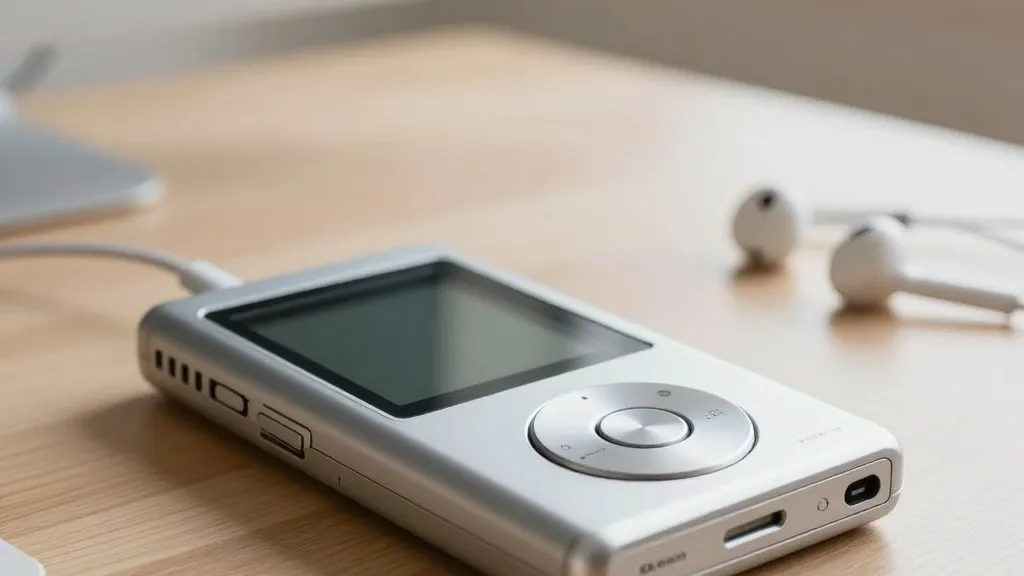
The hardware specifications relied heavily on a partnership with Toshiba, which provided an ultra-compact hard drive. This drive measured 1.8 inches in diameter and just 0.2 inches in thickness. The resulting device measured 2.4 by 4 by 0.78 inches and weighed 6.5 ounces. Jobs emphasized that this made the player lighter than most cell phones of that era. The physical design was minimal, featuring durable sides and a back, with a focus on ease of use.
Performance was a key selling point, with the device offering 5GB of storage capacity. This allowed users to store approximately 1,000 pop songs, assuming a bitrate of 160Kbps. The player supported CD-quality sound and could handle common file formats such as MP3, WAV, and AIFF. Jobs described this capacity as sufficient for most people to carry their entire music library in their pocket.
Connectivity was another major differentiator. The iPod utilized a single FireWire 400 cable for both data transfer and charging. Jobs claimed this connection was significantly faster than the USB options available at the time. He estimated that transferring a single CD of MP3s would take only five to 10 seconds, compared to roughly five minutes for USB devices. Filling the entire 5GB drive with music could be done in about 10 minutes, whereas USB players might require five hours for the same task.
The user interface featured a scroll wheel designed for one-handed operation. It used a piezoelectric clicker to provide tactile feedback, allowing users to quickly navigate playlists, artists, and specific songs. During the presentation, Jobs demonstrated the device by playing Building a Mystery by Sarah MacLachlan. The system also included features like 20-minute skip protection to ensure smooth playback.
Battery life was a critical consideration for a portable device. The first iPod included a rechargeable lithium-polymer battery that offered 10 hours of continuous music playback. Apple stated that the battery could be recharged to 80 percent capacity in one hour. The device also functioned as a FireWire hard disk drive when connected to a computer.
Software integration was launched simultaneously with the hardware. iTunes 2 debuted on the same day, introducing features like MP3 CD burning and syncing support. The Auto-Sync feature ensured that music libraries curated on a Mac were always updated on the portable player during data transfers. The combination of hardware, software, and design created a seamless ecosystem for digital music consumption.
The iPod line would continue to evolve for nearly two decades. The first iPhone arrived in early 2007, leading to a period where both devices coexisted in Apple's product lineup. However, the rise of the smartphone gradually reduced the need for a dedicated music player. The final model, the 7th-generation iPod Touch, was released in May 2019. Although the product line was left unmaintained for several years, Apple officially discontinued it in May 2022, marking the end of an era that began 25 years ago.
Source: Tom's Hardware