Apple and Huawei Gain Ground as China's Smartphone Market Hits 14-Year Low
Apple and Huawei captured market share in a shrinking Chinese smartphone market that hit its lowest level in over a decade.
By Mariana Delgado ·
China’s smartphone industry is facing a severe contraction that has forced most major manufacturers to cede ground, yet two specific brands managed to defy the trend. The market reached its weakest point in fourteen years during the third quarter of 2026, creating a difficult environment where consumer spending habits shifted significantly. Rising costs for memory components added further weight to the industry, leading to a broad decline in unit sales. Despite this backdrop, the competitive landscape changed dramatically at the top of the rankings.
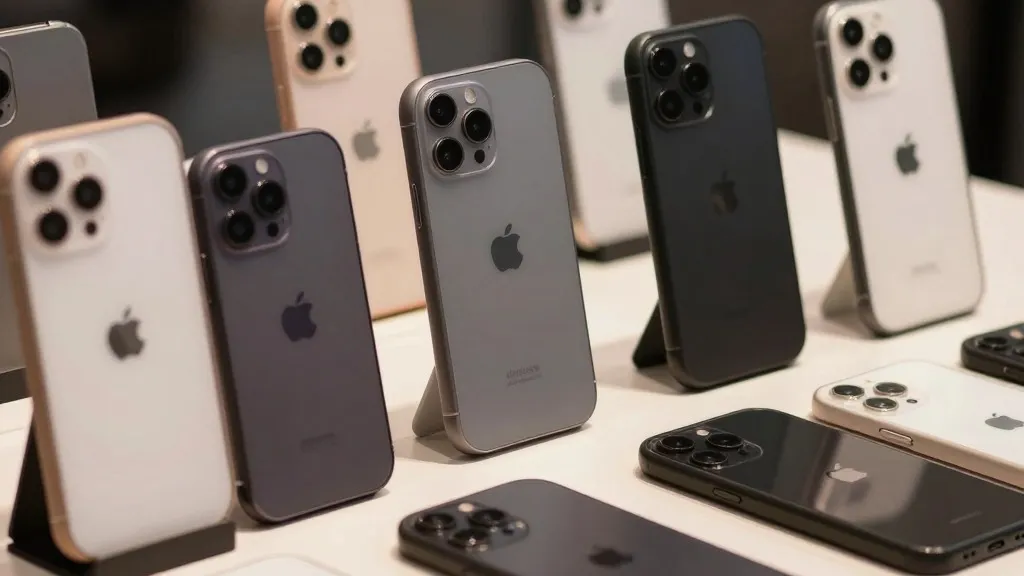
Apple emerged as a standout performer in this downturn. According to data from Counterpoint Research, the company’s share of smartphone shipments in China increased by 4.8 percentage points compared to the same period last year. This growth allowed Apple to climb from sixth place to second, positioning it directly behind Huawei. The firm’s ability to expand its presence stands in sharp contrast to the rest of the industry, which saw widespread losses in market share.
Huawei maintained its lead with a 21.3% share of the market, a figure that represents a 5.3 percentage point increase from a year earlier. Counterpoint noted that Huawei and Apple were the only two of the six leading brands to grow their shipment share. Every other major competitor saw their numbers drop. This divergence highlights a bifurcated market where only the top two players found a way to attract buyers while their rivals struggled to retain their existing customer base.
The other leading brands experienced noticeable declines. Vivo’s share fell by 2.8 percentage points to end the quarter at 15.2%, while OPPO slipped 1.3 points to 15.1%. Xiaomi also lost ground, dropping 1.6 points to 13.5%. HONOR faced a similar challenge, with its share declining by 2.2 points to 12.7%. The remaining manufacturers, grouped together, lost 2 points and finished the quarter with a combined share of 2.8%.
Analysts point to the recent iPhone 18 Pro series as a primary driver of Apple’s improved performance. Counterpoint described the launch of this lineup as strong, noting that sales in the first three weeks were up 23.5% year over year when compared to the previous generation. The firm also suggested that the delayed release of the base iPhone 18 may have influenced consumer choices. This timing issue potentially pushed shoppers toward the higher-end Pro models, thereby boosting early sales figures for the premium segment.
These findings align with broader trends identified in a separate report from IDC, although the two research firms provided different estimates. IDC reported that smartphone shipments in China fell 15.4% year over year in the third quarter. In that analysis, Apple’s share of the total rose to 17.8%, even though the actual number of iPhones shipped declined by 4.3%. The discrepancy between the two reports underscores the complexity of measuring market shifts during a period of significant volatility.
IDC also highlighted a challenging global context, estimating that worldwide smartphone shipments fell a record 22% year over year during the quarter. Apple posted the smallest decline among the top five manufacturers, with its shipments dropping by just 4%. This relative resilience suggests that the company’s brand strength and product mix helped it weather the global slowdown better than its competitors.
Looking ahead, experts warn that market conditions may remain difficult in the near term. Counterpoint indicated that higher smartphone prices are causing consumers to delay upgrades or wait for promotional periods. Some buyers are also opting for refurbished devices to save money. These behaviors could add further pressure to demand in the fourth quarter, making it essential for manufacturers to find new ways to stimulate interest in a cautious market.
The situation reflects a broader shift in how consumers approach technology purchases. With personal responsibility and budget management becoming more prominent, buyers are scrutinizing the value proposition of new hardware more closely. As the industry navigates these headwinds, the ability to offer compelling products at accessible price points will likely determine which brands maintain their foothold in the coming months.
Source: 9to5Mac