Amazon Replaces Four Data Centers With Homes
The tech giant will convert most of a Loudoun County site into residential and mixed-use projects after local residents voiced strong opposition.
By Samir Nasser ·
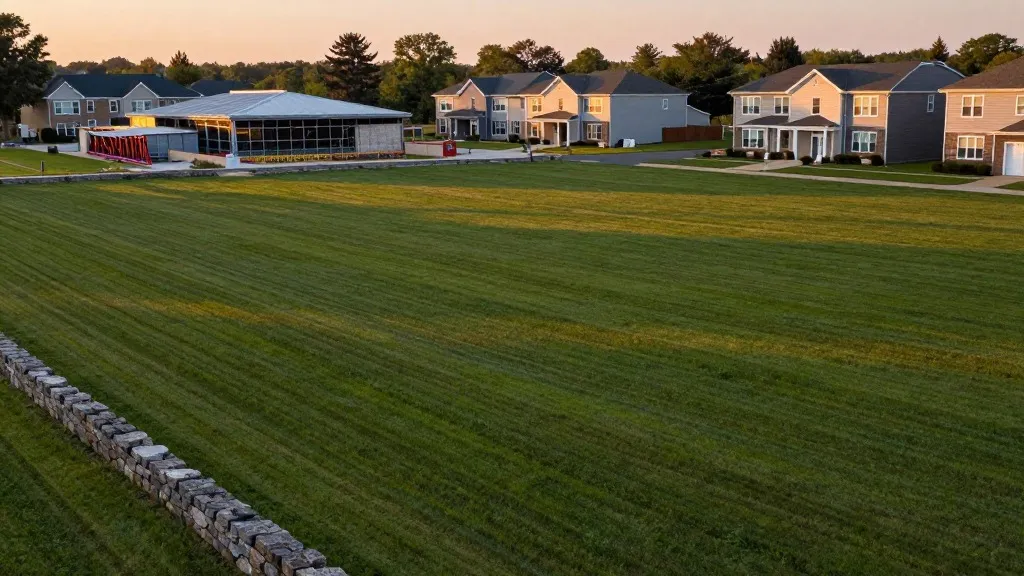
Loudoun County in Virginia has long served as the epicenter for global server infrastructure, but that status is facing local scrutiny. On Wednesday, Amazon confirmed it is abandoning plans to construct four new data centers on a former university campus near Washington, D.C. The company will instead develop the majority of the 122-acre property into mixed-use and residential spaces, a decision driven by significant community resistance.
The new arrangement goes beyond simply stopping construction. Amazon agreed to donate 25 acres of the land to the county. This parcel will be used to build a community arts center and a new recreational facility. Additionally, the company will contribute $5 million to the county's housing fund, aiming to address local needs for affordable living spaces.
The shift is particularly notable given the area's reputation. Known as Data Center Alley, Loudoun County hosts the highest concentration of data centers in the world. Despite this, local residents have increasingly expressed concerns about the noise generated by these facilities and the massive amounts of electricity they consume. The county's approach to approving new construction has become more cautious in recent months, reflecting a broader tension between tech expansion and local quality of life.
Amazon originally filed its proposal for the four facilities in July. By September, the company met with Phyllis J. Randall, the chair of the Loudoun County Board of Supervisors. During those discussions, Randall suggested that Amazon might be better served by finding an alternative use for the land. This direct feedback appears to have influenced the company's final decision.
Josh Weissman, Amazon's vice president of data center development, stated that the company acted quickly to purchase the property when the opportunity arose. However, he acknowledged the county's pointed concerns about development at that specific site. Weissman noted that while Amazon views the legal development potential differently than the county does, they concluded that a shared vision was better than costly litigation.
The backdrop for this decision includes a surge in demand for data centers driven by artificial intelligence. This growth has led to larger facilities and heightened opposition from communities worried about higher electricity prices, water shortages, and deforestation. These environmental and economic factors are now central to debates over where such infrastructure should be built.
The national political landscape is also influencing the conversation. Days before the Loudoun announcement, President Donald Trump urged data center builders and AI hyperscalers to pay dividends to local communities. He proposed that these facilities should generate their own electricity and sell any surplus power back to the local grid. This stance aligns with the local pressure Amazon faced in Virginia.
Randall described the outcome as a result of cooperation rather than conflict. She said that by choosing dialogue, the county and Amazon created an opportunity for the community. The agreement will provide new spaces for residents to gather and play, while also delivering more attainable homes for working families.
Source: Tom's Hardware
More Business · Tech news · Bad Business · Report a business