American University of Afghanistan: US Withdraws Key Funding
The United States has ended its financial support for the American University of Afghanistan, leaving its roughly 1,000 students, primarily women, with an uncertain future for their education.
By Fatima Zayed ·
The American University of Afghanistan (AUAF) has lost its primary financial backer after the United States decided to stop funding the institution. This move places one of the last remaining accessible degree programs for women in the country in a precarious position. The university now faces an uncertain future without the significant grant that had supported its operations for years.
The roots of this funding relationship stretch back to 2006, when the university was established. Former First Lady Laura Bush announced the commitment of millions of dollars from the US government at the time. She described the initiative as a way to train future leaders, with a specific focus on empowering women. Patrick Fine, who served as the Afghanistan mission director for the now-defunct United States Agency for International Development (USAID), recalled that the Bush administration viewed the project as a strategic opportunity to stabilize a young democracy and build goodwill for the interim government that had replaced the Taliban. Although some within the agency viewed the idea as risky, the administration moved forward with the investment.
Financial scrutiny began to mount in Washington a decade later. In 2016, US inspectors general opened an investigation into the university's financial practices. By 2018, the inquiry concluded that poor accounting made it difficult to determine exactly how the aid money had been spent. John Sopko, the former federal inspector who oversaw the probe, expressed surprise that funding continued despite these findings. He noted the disconnect between the accounting issues and the ongoing flow of taxpayer dollars to the institution.
The State Department provided a clear rationale for the recent decision to cut ties. Officials stated that the move reflected the university's history of a repeated lack of accountability regarding millions of American taxpayer dollars. Fine disputed this characterization, describing the explanation as smear tactics. While he acknowledged that earlier audits revealed the university struggled to meet USAID's extensive regulatory rules, he maintained that those reviews did not uncover major fraud. He argued that the university remained a worthy investment because it is one of the few organizations still effectively reaching Afghan women.
The United States has long shouldered the bulk of the university's financial burden. A US report from 2018 indicated that American funds covered nearly 90% of the institution's costs. While the State Department noted that the university is free to identify other funders and partners, the loss of the $25 million grant creates significant uncertainty. The university is not entirely dependent on American money, but the scale of the withdrawal is substantial enough to threaten its stability.
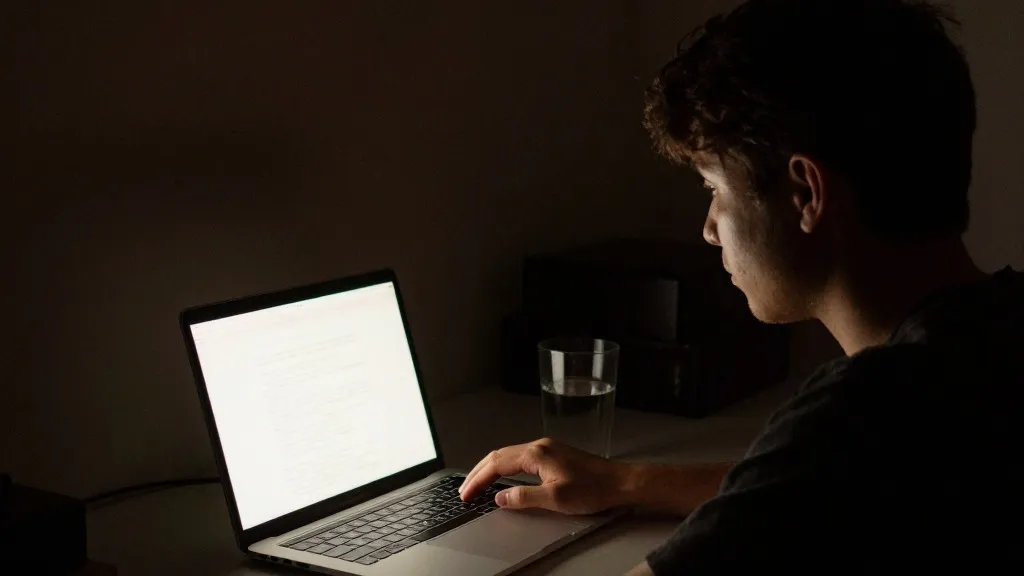
For the students, the impact is immediate and personal. Laila, a political science and international studies major in her mid-twenties, learned of the funding cut through an email one night. Her name has been changed for safety. She is one of approximately 1,000 students at AUAF, about three-quarters of whom are women. Since the Taliban seized the campus, she studies in secret through the university's online program. She joins lectures from home with classmates who use aliases and keep their cameras off. She described the experience by saying, I just know their voices.
Laila's path to the university was not straightforward. When the Taliban returned to power in August 2021, she was studying at another university in Kabul with only two exams remaining in the semester. After the Taliban announced its ban on women's education in December 2022, her degree remained unfinished. She eventually won a scholarship to AUAF and started her studies again, a chance she believes not every girl had. Fear now shapes her daily life. Some peers have received threatening calls and messages, and she worries that Taliban authorities could search her phone and find university emails. She noted that officials have entered her home several times to search family belongings, keeping the threat ever present in her mind.
The news of the funding cut has been deeply discouraging for Laila. She stated that she has lost all her motivation and hope. Each time she prepares for a lecture, she wonders whether another will follow. She has barely left her room since learning of the cut. She had expected to have graduated years ago and to be studying for a master's degree abroad. Now, she thinks she may find a way forward in five or ten years, a timeline that feels distant and uncertain.
Source: Deutsche Welle